- March 28, 2026
- Mubarak Medical Complex
- Comment: 0
- Uncategorized
As we age, our bones gradually lose density and strength, which increases their susceptibility to fractures and conditions such as osteoporosis. Nevertheless, by making appropriate lifestyle choices, it is possible to preserve strong and healthy bones well into later years.
1. Emphasize a Calcium-Rich Diet
Calcium is vital for maintaining bone health. Incorporate foods such as milk, yogurt, cheese, leafy greens, almonds, and fortified products into your daily meals. Adults should strive to meet their recommended calcium intake to avert bone loss.
2. Ensure Sufficient Vitamin D Intake
Vitamin D is crucial for the effective absorption of calcium. Sunlight serves as a natural source, so aim to spend 10–15 minutes outdoors each day. Additionally, consider including foods like eggs, fatty fish, and fortified cereals in your diet, or take supplements if advised by a healthcare professional.
3. Engage in Regular Physical Activity
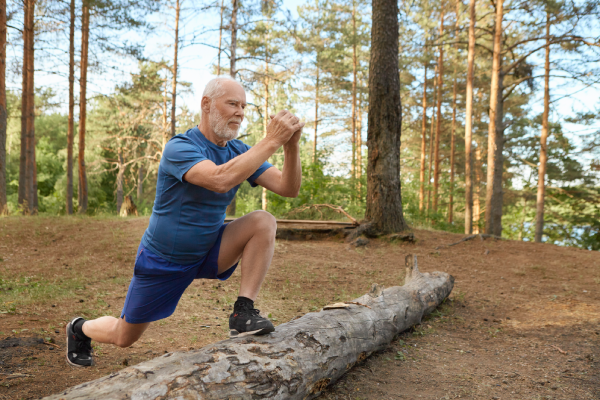
Consistent exercise fortifies bones and muscles. Weight-bearing exercises such as walking, jogging, dancing, and strength training are particularly advantageous. Aim for a minimum of 30 minutes of physical activity on most days of the week.
4. Refrain from Smoking and Limit Alcohol Consumption
Smoking compromises bone integrity and diminishes bone mass over time. Excessive alcohol consumption can also hinder calcium absorption. Reducing these habits can greatly enhance bone health.
5. Maintain a Healthy Weight
Being underweight raises the risk of bone loss and fractures, while being overweight can impose additional stress on bones and joints. Achieving a balanced weight is essential for overall bone health.
6. Take Measures to Prevent Falls
As bones become more fragile with age, fall prevention becomes vital. Ensure your home is well-lit, eliminate tripping hazards, and wear supportive footwear to minimize the risk of injuries.
7. Schedule Regular Health Checkups
Bone density assessments and routine medical examinations can aid in identifying early signs of bone loss. Early detection facilitates timely treatment and improved management.
Conclusion
To maintain robust bones as you age, it is essential to combine proper nutrition, regular exercise, and healthy lifestyle choices. By taking proactive measures today, you can ensure better bone health for the future.
