- March 2, 2026
- Mubarak Medical Complex
- Comment: 0
- Uncategorized
Rehabilitation after a mind or spinal cord injury is a based and carefully planned technique geared toward restoring function, enhancing independence, and improving first-rate of life. Injuries to the mind or spinal twine can arise due to avenue traffic injuries, falls, sports activities injuries, strokes, infections, or tumors. Depending at the severity and vicinity of the harm, patients may additionally experience weak point, paralysis, speech difficulties, memory problems, lack of sensation, or emotional changes.
One of the most not unusual brain injuries is Traumatic Brain Injury (TBI), that could affect thinking, movement, temper, and conduct. On the alternative hand, a Spinal wire harm might also lead to partial or whole loss of motion and sensation underneath the level of damage. These situations require early and comprehensive rehabilitation to maximise recuperation.
Phases of Rehabilitation
Rehabilitation typically starts as soon as the patient is medically stable. It can be divided into distinct phases:
1. Acute Phase (Hospital-Based Care):
During this degree, the focus is on stopping headaches along with pressure sores, blood clots, muscle stiffness, and respiration problems. Gentle movements, positioning strategies, and early mobilization are introduced.
2. Subacute Phase (Intensive Rehabilitation):
This stage frequently takes location in a specialised rehabilitation middle. A multidisciplinary team develops a customised plan primarily based on the affected person’s desires. The crew may additionally include neurologists, physiotherapists, occupational therapists, speech and language therapists, psychologists, and rehabilitation nurses.
3. Long-Term and Community Rehabilitation:
After discharge, remedy maintains at domestic or outpatient clinics. The goal is to help patients reintegrate into society, return to work if feasible, and adapt to each day life demanding situations.
Key Components of Rehabilitation
Physiotherapy:
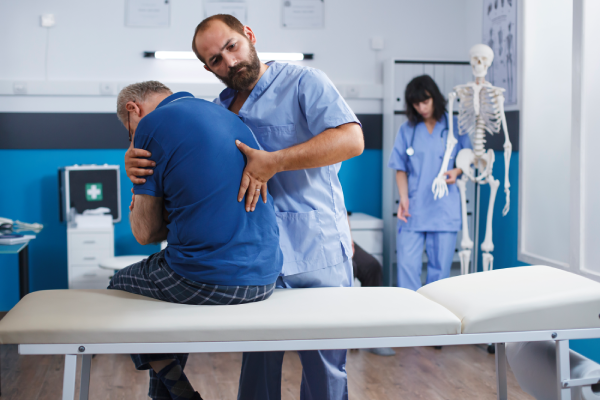
Physiotherapy makes a speciality of enhancing muscle energy, flexibility, coordination, and balance. For spinal twine injuries, sporting activities may also help maintain muscle tone and prevent joint stiffness. Gait education, mobility physical activities, and assistive devices along with walkers or wheelchairs are normally used.
Occupational Therapy:
This helps patients relearn ordinary sports like dressing, eating, bathing, and writing. Therapists may also advise adaptive gear to make obligations less complicated and more secure.
Speech and Language Therapy:
For sufferers with mind injuries affecting verbal exchange or swallowing, speech remedy performs a crucial position in restoring language capabilities and making sure safe eating.
Cognitive Rehabilitation:
Brain injuries can effect reminiscence, interest, and trouble-solving skills. Cognitive remedy includes exercises and techniques to improve wondering skills and decorate independence.
Psychological Support:
Emotional adjustments together with depression, anxiety, and frustration are not unusual. Counseling and circle of relatives involvement offer crucial emotional aid and motivation for the duration of restoration.
Advanced Rehabilitation Techniques
Modern rehabilitation facilities might also use robotic-assisted therapy, electric stimulation, digital truth-primarily based physical games, and venture-precise education. These modern strategies help stimulate neural pathways and promote neuroplasticity—the mind’s capacity to reorganize and shape new connections.
Preventing Complications
Rehabilitation additionally focuses on preventing secondary complications consisting of muscle contractures, urinary infections, stress ulcers, and respiration troubles. Education for sufferers and caregivers is essential to make sure proper positioning, pores and skin care, nutrition, and mobility at home.
The Importance of Early Intervention
Research shows that early and regular rehabilitation leads to higher consequences. The mind and spinal wire have a few ability to conform and recover, specifically when therapy is began promptly. While complete recovery won’t usually be viable, many patients reap considerable practical improvement with determination and based remedy.
Conclusion
Recovery after brain or spinal cord harm is mostly a long and difficult adventure. However, with a complete rehabilitation software, expert guidance, own family guide, and patient dedication, individuals can regain independence and improve their nice of life. Rehabilitation isn’t just about bodily healing—it’s far about restoring self belief, dignity, and desire for the future.
